
Opening your first checking account is a big financial step. It gives you a safe place to deposit money, pay bills, use a debit card, set up direct deposit, and start building everyday money habits.
But if you have never opened a bank account before, the process can feel confusing. What do you need to bring? What questions should you ask? How do you know which checking account is right for you?
This guide walks you through the basics so you can feel prepared before you open your first checking account.
Quick Answer: What Do You Need to Open a Checking Account?
To open a checking account, you will typically need:
- A valid government-issued photo ID, such as a driver’s license, state ID, or passport
- Your Social Security number, taxpayer identification number, or other acceptable identification number
- Your date of birth
- Your physical address and contact information
- Money for an opening deposit, if required
- A parent or guardian, if you are under 18
- Any additional documents requested by the bank based on your situation
Requirements can vary, so it is always a good idea to contact the bank or schedule an appointment before you visit.
What Is a Checking Account?
A checking account is a bank account designed for everyday money management. You can use it to deposit paychecks, withdraw cash, make purchases with a debit card, pay bills, transfer money, and track your spending.
Unlike a savings account, which is usually meant for setting money aside, a checking account is built for regular transactions. It is often the account people use most often in daily life.
Step 1: Decide What You Need From Your First Checking Account
Before opening an account, think about how you plan to use it.
Ask yourself:
- Will my paycheck be direct deposited?
- Do I need a debit card?
- Will I use online and mobile banking?
- Do I want paper checks?
- Am I a student?
- Do I need help avoiding overdrafts?
- Do I want an account with no minimum balance requirement?
- Do I prefer in-person support when I have questions?
Your answers can help a banker recommend an account that fits your needs instead of simply choosing the first option you see online.
Step 2: Gather the Right Documents
Banks are required to verify your identity before opening an account. That helps protect you, the bank, and the financial system from fraud.
For most first-time customers, it is helpful to bring:
1. A government-issued photo ID
Examples may include:
- Driver’s license
- State-issued ID
- U.S. passport
- Military ID
- Other acceptable government-issued identification
The ID should be current and not expired.
2. Your identification number
This may be your:
- Social Security number
- Taxpayer identification number
- Individual taxpayer identification number
- Other acceptable identification number, depending on your situation
3. Your address and contact information
Be ready to provide your residential address, phone number, and email address. If your current address is not shown on your ID, ask the bank what proof of address may be accepted.
4. Money for your opening deposit
Some accounts may require a minimum opening deposit. This can often be made by cash, check, or transfer, depending on the bank’s process.
5. Additional information for special situations
You may need extra documentation if you are opening a student account, joint account, custodial account, or account for a minor. If you are unsure, schedule an appointment before you visit so you know exactly what to bring.
Step 3: Compare Account Features, Not Just Fees
A checking account should make your financial life easier. Before opening your first account, review the features carefully.
Look for:
- Monthly service charge information
- Minimum balance requirements
- Debit card availability
- Online and mobile banking
- Bill pay options
- ATM access and ATM fees
- Overdraft protection options
- Direct deposit setup
- Statement options, such as eStatements
- Check ordering options
- Customer service and branch access
A “free” checking account can still have certain fees, such as ATM, statement, overdraft, or check-order fees. Ask a banker to explain the full fee schedule so there are no surprises later.
Step 4: Understand Overdrafts Before You Use Your Debit Card
An overdraft happens when you spend or withdraw more money than you have available in your account.
For example, if you have $40 in your account and try to spend $50, that transaction may be declined, or it may be paid depending on your account settings and bank policies. If it is paid, you may be charged a fee.
Before using your account, ask:
- What happens if I do not have enough money in my account?
- Do I need to opt in to any overdraft service?
- Is overdraft protection available?
- Can I link another account as backup?
- Can I set up low-balance alerts?
- How can I avoid overdraft fees?
For beginners, alerts and careful balance tracking can be especially helpful.
Step 5: Set Up Online and Mobile Banking
Once your account is open, online and mobile banking can help you manage your money with confidence.
With digital banking tools, you may be able to:
- View your balance
- Review recent transactions
- Transfer funds
- Pay bills
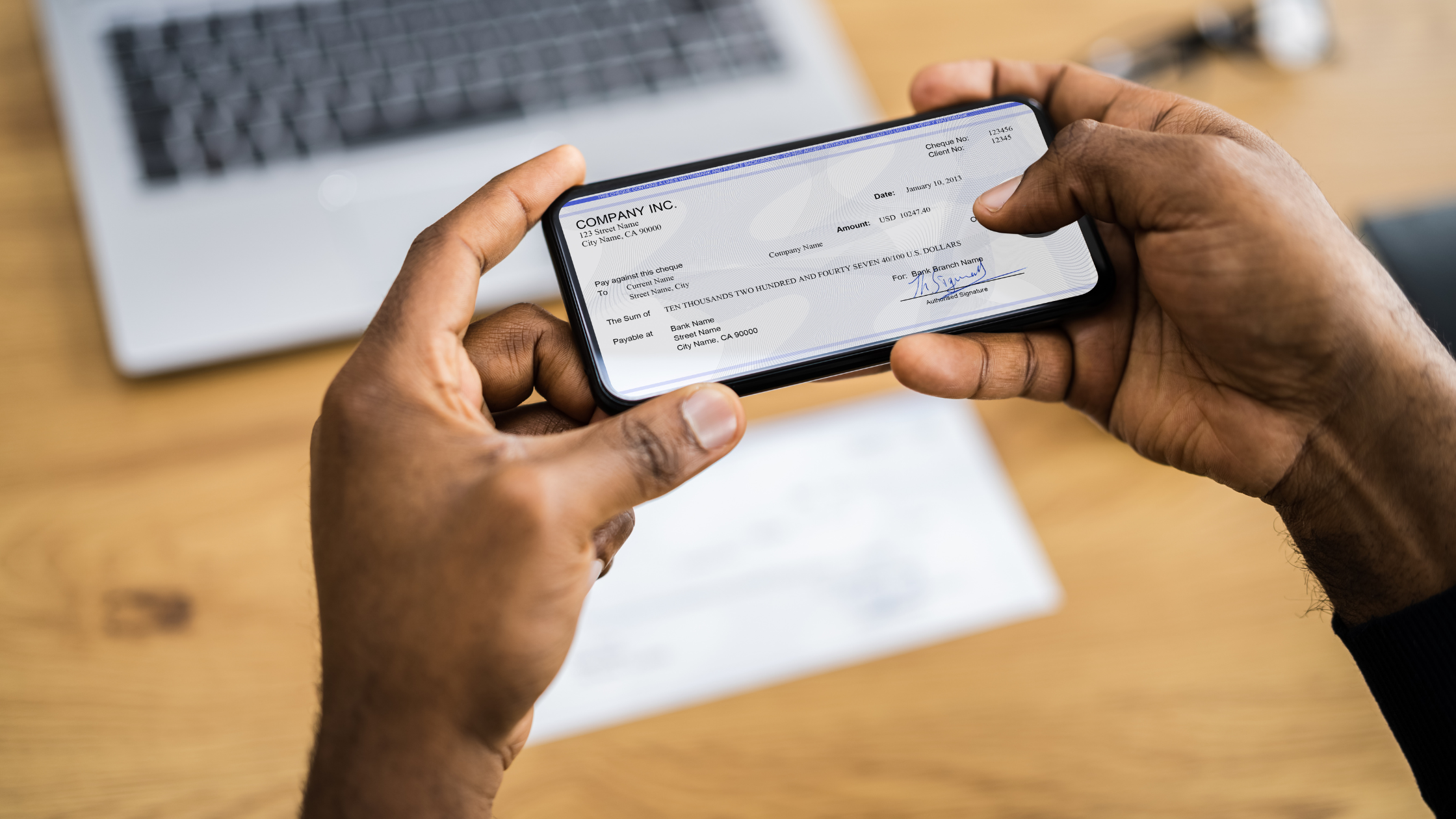
- Deposit checks using mobile deposit
- Set up account alerts
- Access eStatements
- Find branch and ATM locations
Online and mobile banking are convenient, but they work best when you understand how your account works. A banker can walk you through the basics and help you feel comfortable before you start using the tools on your own.
Why Opening Your First Checking Account in a Branch Can Be Helpful
Opening a checking account online can be convenient, but first-time account holders often benefit from opening an account in person.
Here is why visiting a branch may be the better choice for beginners:
You can ask questions in real time
When you are new to banking, you may not know which questions to ask until you are in the middle of the process. In a branch, a banker can explain terms, compare account options, and make sure you understand how the account works.
You can get help choosing the right account
Not every checking account is the same. Some accounts are designed for students. Others may offer rewards, no minimum balance requirements, or relationship benefits. A banker can help match the account to your lifestyle.
You can avoid mistakes with documents
If something is missing or unclear, a banker can help you understand what is needed. That can save time compared with starting an online application and getting stuck.
You can learn how to use the account safely
A branch visit is a good time to ask about debit card safety, account alerts, mobile banking, direct deposit, overdrafts, and what to do if your card is lost or stolen.
You can leave with a clear next step
After opening the account, you will usually need to activate your debit card, download the app, set up direct deposit, enroll in online banking, or order checks. A banker can help you understand what to do next.
How First Hope Bank Can Help
At First Hope Bank, we know that opening your first checking account can come with a lot of questions. Our local banking team can help you understand your options, gather the right information, and feel comfortable using your new account.
First Hope Bank offers multiple checking account options, including accounts with features such as online and mobile banking, debit card access, overdraft protection options, and accounts with no minimum balance requirement to avoid monthly service charges.
If you are opening a checking account for the first time, you do not have to figure it out alone. A First Hope banker can walk you through the process step by step.
Ready to get started? Schedule an appointment with First Hope Bank and let our team help you open your first checking account with confidence.
First Checking Account Checklist
Before your appointment, use this checklist:
- Choose the type of checking account you want to discuss
- Bring a valid government-issued photo ID
- Bring your Social Security number, taxpayer identification number, or other acceptable identification number
- Know your current address, phone number, and email address
- Bring funds for an opening deposit, if required
- Prepare questions about fees, debit cards, mobile banking, overdrafts, and direct deposit
- Ask how to enroll in online and mobile banking
- Ask what to do after the account is open
Beginner Questions to Ask Before Opening a Checking Account
When you meet with a banker, consider asking:
- Is there a monthly service charge?
- Is there a minimum balance requirement?
- Is there a minimum opening deposit?
- Will I receive a debit card?
- Are checks included, or do I need to order them?
- What ATM fees may apply?
- How do I set up direct deposit?
- How do I avoid overdrafts?
- Can I set up account alerts?
- How do I use online and mobile banking?
- What should I do if my card is lost or stolen?
- Who should I contact if I have questions after opening the account?
The best checking account is one you understand and feel comfortable using.
FAQ: Opening Your First Checking Account
What do I need to open my first checking account?
You will typically need a valid government-issued photo ID, your date of birth, your address, an acceptable identification number such as a Social Security number or taxpayer identification number, and funds for an opening deposit if required. Requirements can vary, so it is best to check with the bank before your appointment.
Do I have to open a checking account in person?
Some banks offer online account opening, but opening your first checking account in person can be helpful. A banker can answer questions, explain fees, review account features, help with documents, and show you what to do after the account is open.
How much money do I need to open a checking account?
The amount depends on the bank and account type. Some accounts may require a minimum opening deposit, while others may have different requirements. Ask the bank before your appointment so you know what to bring.
Can I open a checking account if I am under 18?
Minors often need a parent or guardian to open an account with them. Student or youth account options may be available depending on the bank. Contact the bank before visiting to confirm the requirements.
What is the difference between a checking account and a savings account?
A checking account is designed for everyday spending, bill payments, debit card purchases, and deposits. A savings account is generally used to set money aside for future goals or emergencies.
Will I get a debit card with my checking account?
Many checking accounts include debit card access, but features can vary by account. Ask your banker when the card will arrive, how to activate it, and how to keep it secure.
What is direct deposit?
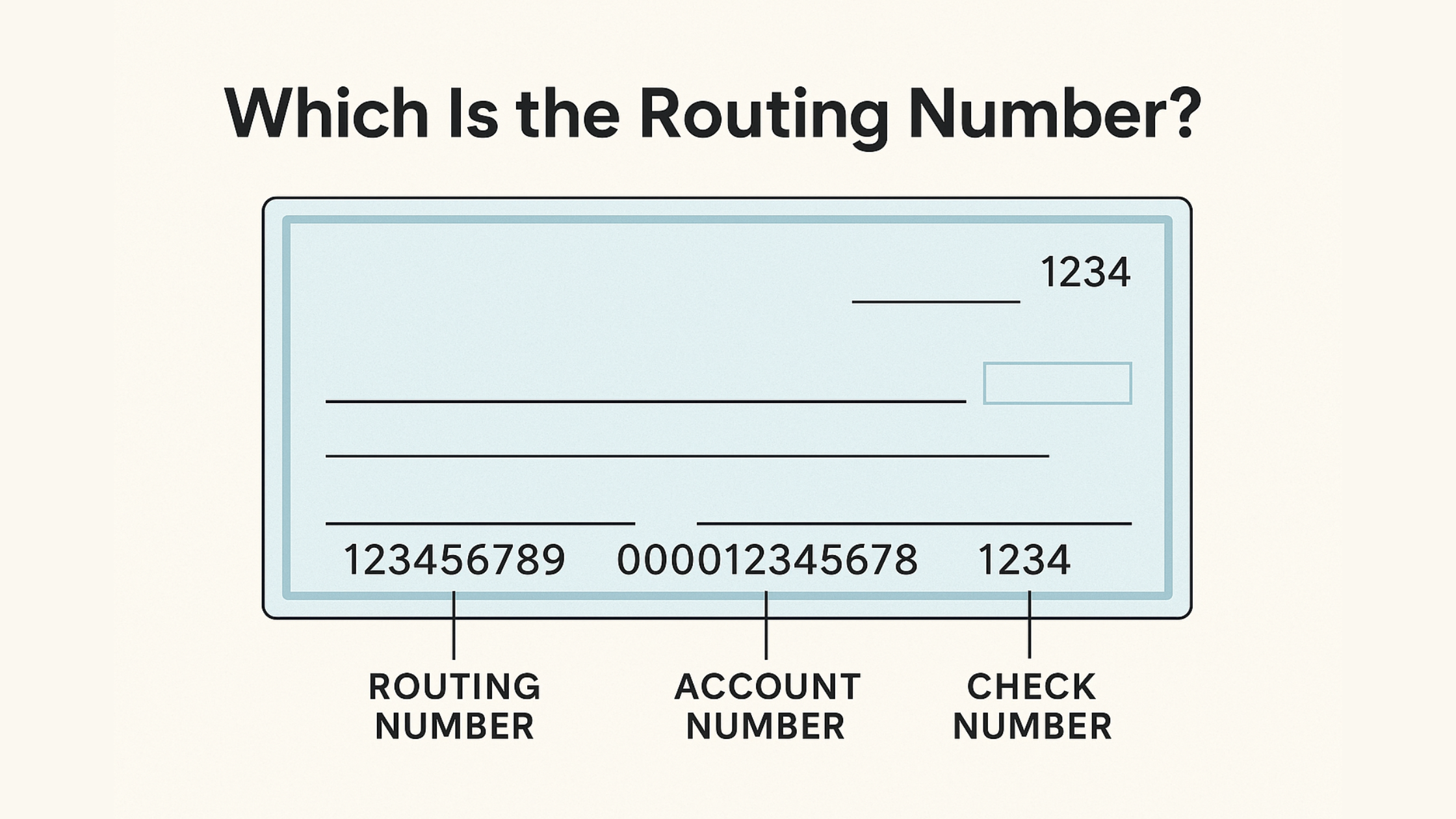
Direct deposit allows your paycheck or benefits payment to be electronically deposited into your checking account. To set it up, you usually provide your employer or payment provider with your account number and bank routing number.
What is overdraft protection?
Overdraft protection is an optional service that may help cover transactions when you do not have enough money available in your checking account. Fees and terms can vary, so ask your banker how it works and whether it makes sense for you.
Can I use mobile banking with my first checking account?
Yes, many checking accounts include online and mobile banking access. Mobile banking can help you check balances, review transactions, transfer funds, pay bills, deposit checks, and set up alerts.
How do I get started with First Hope Bank?
The easiest next step is to schedule an appointment with a First Hope banker. We can help you understand your checking account options, review what to bring, and guide you through opening your first account. Schedule your appointment here.