For most of us, home is where the heart is. It’s no surprise that a strong majority of older Americans want to remain in their own homes as they age[1]. In fact, about 75% of people over 50 say they intend to “age in place,” preferring home over a retirement facility[1]. And why not? Older adults today also have very high homeownership rates (around 80% own their homes)[1], giving them a solid foundation for staying put in retirement. But even a beloved family home may need some upgrades to support safe, independent living in our later years. Many houses weren’t designed with aging in mind, which is why making a few key modifications is essential for aging in place safely[2].
Research shows many seniors recognize this need. Nearly half of adults over 50 anticipate they’ll have to modify their homes to support independent aging – most commonly by adding features like grab bars in bathrooms (72% foresee needing these) or no-step entries (71%) for easier access[3]. If you’re nearing retirement, it’s wise to evaluate your own home’s safety and accessibility. Below, we highlight the top five home modifications experts recommend for an aging-friendly residence, followed by additional upgrades to consider. With a bit of planning, you can transform your house into a secure, comfortable place to live for years to come.
5 Essential Aging-in-Place Home Modifications
Studies by the Harvard Joint Center for Housing Studies have identified five key features that make a home safe and accessible for aging occupants[4][5]. Impressively, only about 1% of American homes have all five of these features today[6], so most homes will require at least some changes. Investing in these modifications can dramatically reduce fall risks and inconvenience as you get older:
- Zero-Step Entryways: Entrances with no steps (or with a ramp) allow someone with a walker or wheelchair to get in and out of the home without hazard[7]. Even a modest threshold ramp or graded walkway can make a big difference. A step-free entrance also helps if you ever have to push a wheelchair or stroller – it’s simply a safer, easier entry for everyone. If your home’s main entrance has stairs, consider adding a ramp or vertical lift. Many people choose to convert a garage entrance or back door into their no-step entry if the front can’t be easily altered. The goal is to have at least one entrance to the home that anyone can navigate, regardless of mobility limitations.
- Single-Floor Living: As we age, climbing stairs can become difficult or unsafe. That’s why having essential rooms on the main floor is crucial[7]. Ideally, your home should allow living on one level – meaning a bedroom, full bathroom, kitchen, and laundry all on the first floor. If you live in a two-story house, think about how you would manage if stairs become a barrier. Some families elect to convert a den or dining room into a first-floor bedroom, or install a full bathroom on the main level. At minimum, plan for a bedroom and accessible bathroom on the entry level, so you aren’t forced upstairs when mobility is limited. Single-floor living might involve a larger renovation, but it can enable you to remain at home even if using stairs is no longer safe.
- Wide Doorways and Hallways: Wider doorways and halls (typically 36 inches or more) are recommended so that wheelchairs or walkers can pass through comfortably[8]. Standard doors in older homes may be too narrow. Widening door frames or replacing hinges (e.g. swing-clear hinges) can add a few inches of clearance. Likewise, ensure hallways and pathways are clear of clutter (no narrow passages blocked by furniture). Even if you don’t use a wheelchair, these changes create a more open, navigable space for anyone with limited mobility or using a walker. They also make it easier for someone assisting you to walk side-by-side. When remodeling, keep an eye on doorway width – it can be a game-changer for accessibility.
- Lever-Style Handles (Not Knobs): Replacing traditional round doorknobs and twist faucets with lever-style handles is a small change that greatly improves usability[9]. Levers are easier to operate for people with arthritis, weak grip strength, or limited finger dexterity. You can open a lever door handle with an elbow or fist if needed, whereas knobs require more twisting force. The same goes for sink and shower controls – lever faucets or push-button controls are much easier for aging hands. This is an inexpensive upgrade (many lever handle kits are available at hardware stores) that can prevent a lot of frustration and potential injury.
- Accessible Light Switches & Outlets: It’s important to be able to reach switches and outlets from a wheelchair or seated position[9]. In practical terms, this means having light switches a bit lower on the wall (around 36–42 inches from the floor), and outlets a bit higher off the baseboard than usual. If you’re renovating, you might have an electrician adjust these heights. Even without major rewiring, there are solutions: add touch lights or smart lighting you can control via voice or phone. Extension cords or smart plugs can bring outlet access closer to where you need. The aim is to avoid any scenario where you must bend low or climb on a stool to reach something electrical. Good lighting is critical, so making switches convenient helps ensure you’ll actually use all the lights you need.
These five modifications address the most fundamental accessibility needs, creating a home where you can move around safely and take care of daily tasks despite physical changes. As noted, very few houses naturally meet all these criteria, so walk through your home and identify gaps. For example, do you currently have a step-free entrance? Are any doorways too tight for a walker? By prioritizing these fixes, you set the stage for comfortably aging in place. (And remember, if major construction is needed, you don’t have to tackle everything at once – you can phase in upgrades over time as budget permits.)
Additional Upgrades for Safety and Comfort
Beyond the “top five” above, there are many other home improvements that can enhance safety, convenience, and peace of mind for older homeowners. You might start with smaller, low-cost updates that still have a big impact on day-to-day living. Here are a few important ones to consider:
- Improve Lighting Everywhere: As our eyes age, we need brighter and more consistent lighting to see clearly. A dark home can lead to missteps and falls. Make sure all areas of your home are well-lit, including hallways and entryways. Consider installing night lights in bedrooms and bathrooms for guidance at night[10]. It’s wise to “layer” your lighting – use overhead lights, lamps, under-cabinet lights, and task lighting to reduce shadows[11]. Also, replace any burned-out bulbs promptly and use the highest safe wattage. Good lighting is an easy safety win.
- Add Grab Bars and Handrails: Bathrooms and stairways are common hazard zones. Install sturdy grab bars in the shower and near the toilet to provide support when bathing or standing up[12][13]. Ensure staircases (indoors and out) have secure handrails on both sides. Today’s grab bars can be attractive and blend in with decor – they even come in styles that double as towel racks. This simple addition can prevent dangerous falls. In fact, grab bars are one of the most frequently recommended modifications by experts[3]. Even if you don’t need them immediately, adding grab bars now means they’ll be there if and when you do.
- Eliminate Tripping Hazards: One of the cheapest and most important modifications is a good old decluttering and fall-proofing. Go through your home and remove any tripping hazards – loose throw rugs, uneven thresholds, extension cords across floors, clutter on stairs[14]. Secure area rugs with non-slip backing or tape, or remove them entirely if they’re not necessary[15]. If you have slippery hardwood or tile, consider adding non-skid coatings or treads. Also smooth out any raised floor transitions between rooms (you can install beveled strips). Falls are the leading cause of injury for older adults, so keeping pathways clear and floors even is critical. It costs very little, but pays off hugely in safety.
- Bathroom Upgrades: Think about changes that make bathing and using the bathroom safer. Many seniors choose to replace a traditional bathtub with a walk-in shower or walk-in tub, eliminating the need to step over a high tub wall[16]. If a full remodel isn’t feasible, add a bath transfer bench so you can sit while getting in and out of the tub[12]. A raised toilet seat or comfort-height toilet can make sitting and standing easier. And as mentioned, grab bars in the shower and near the tub are essential[13]. Also use non-slip mats or stick-on strips on the shower floor to prevent slips[17]. Since we tend to lose some balance and strength with age, making the bathroom as fall-proof as possible will help you maintain independence in personal care.
- Smart Home Technology: Modern technology can support aging in place in subtle but powerful ways. For example, voice-activated smart speakers or smart plugs can let you control lights and appliances without having to get up or reach awkward switches[18]. Smart doorbells and security systems can show you who’s at the door (on your smartphone or a screen) before you exert yourself to answer[19]. There are also medical alert systems that can automatically detect falls or allow you to call for help at the push of a button – these have advanced to include GPS tracking, home security monitoring, and other features beyond the old pendant alarms[18]. While not “structural” modifications, these tech upgrades add safety nets around the home. They can be especially reassuring if you live alone or spend long stretches by yourself during the day.
Planning and Getting Help with Home Improvements
Upgrading your home for your senior years can feel like a big project, but you don’t have to do it all at once – or alone. Start with a plan. Walk through your home (perhaps with a family member or friend) and note areas of concern. Don’t wait for a crisis like a fall to start making changes[20]. It’s much better to be proactive and address hazards before they cause an injury. Prioritize the most urgent needs first (for example, if the bathroom or entry steps seem unsafe, tackle those right away). Even small changes done now can pay off immediately and in the future[21].
Consider consulting an expert in home accessibility. An occupational therapist or a Certified Aging-in-Place Specialist (CAPS) can conduct a home assessment and recommend specific modifications tailored to you[22]. They’re trained to spot hazards and suggest solutions (like where exactly to add lighting or how to remodel a tight bathroom). While there is a cost for professional guidance, it can save you money by ensuring that any renovations you do are truly effective. Another great resource is AARP’s free HomeFit Guide, which provides detailed checklists by room for making a home safer and more comfortable for aging[23]. Tools like this can help you and your family evaluate your home and come up with a remodeling game plan.
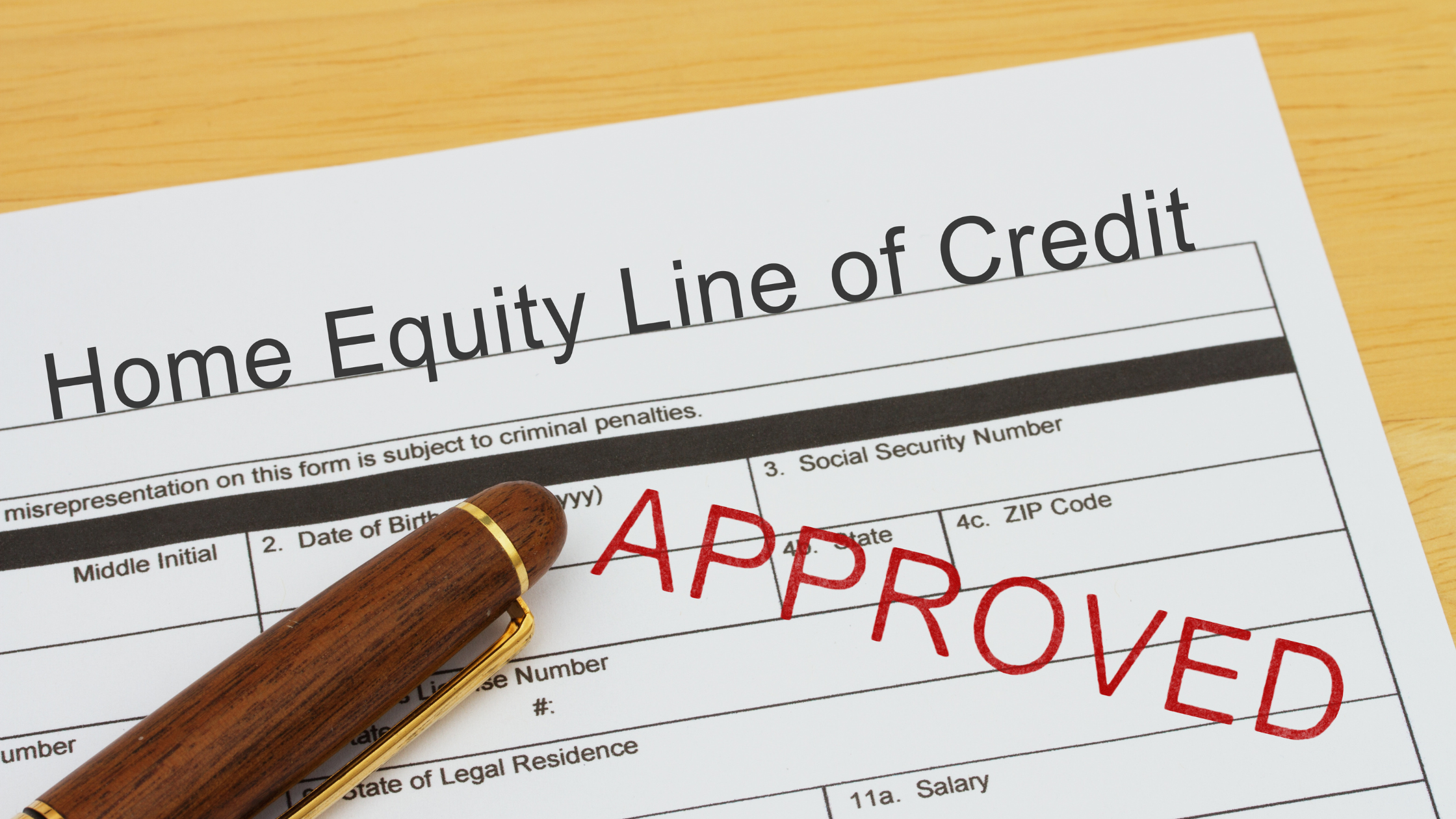
Finally, let’s talk about paying for these modifications. Some changes (like new light fixtures or lever handles) are inexpensive, but larger renovations (bathroom remodels, ramps or lifts, etc.) can be costly. The good news is that you have financing options. If you’ve built up equity in your home over the years, you can tap into it to fund home improvements that will allow you to age in place. Borrowing against home equity – through a home equity loan or line of credit – is a common way seniors finance accessibility upgrades[24][25]. A home equity loan provides a lump sum of cash for a project (repaid at a fixed interest rate), whereas a home equity line of credit (HELOC) works more like a credit line you draw from as needed. Both can be useful for remodeling expenses. Many older homeowners have significant equity, and freeing up some of that cash to reinvest in your home’s safety can be a smart move[24].
In addition, look for local resources that can help. Depending on your community, there may be non-profit organizations or government grants for senior home modifications. For example, Area Agencies on Aging often know of programs that provide free or discounted safety improvements (like grab bars or ramps) for older adults[26]. Veterans may qualify for VA grants to adapt their homes if they have service-related disabilities or mobility issues. It’s worth researching what’s available in your area – a little assistance can go a long way in offsetting costs.
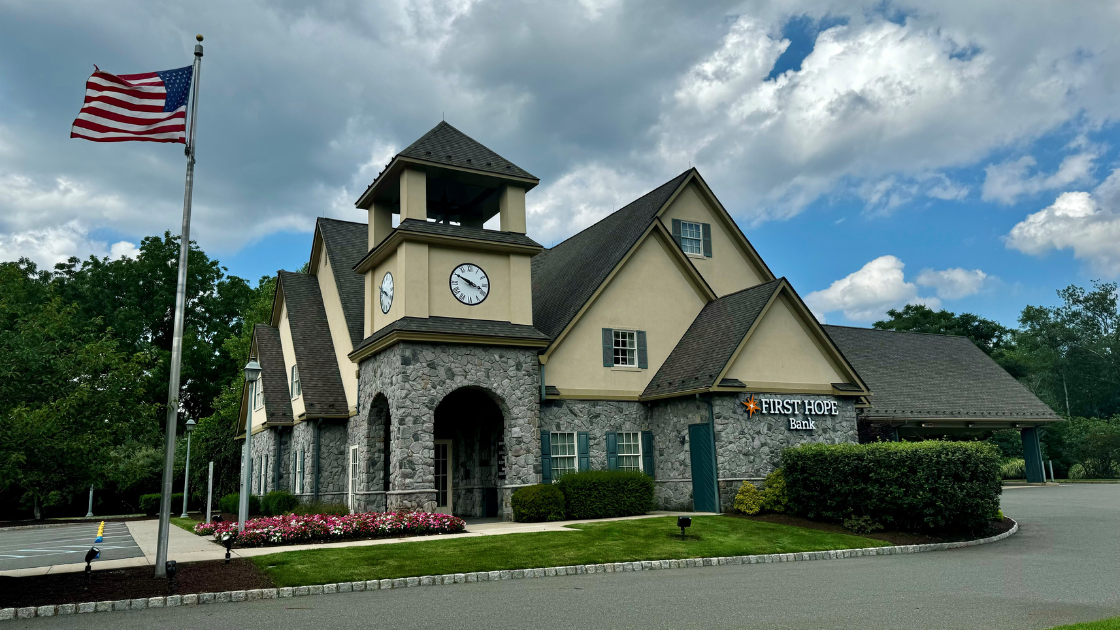
Bottom line: Making thoughtful modifications to your house now will reward you with peace of mind for years to come. It can prevent accidents, support your changing needs, and keep your daily life convenient and dignified. At First Hope Bank, we understand how important home is – and we’re here to support you in making it retirement-ready. From home improvement loans to personalized financial advice, we can help you create the safe haven you deserve. If aging in place is your goal, don’t wait to put the right plans in motion. Take the first step by addressing your home’s safety, and reach out to us for guidance on financing those upgrades in a budget-friendly way. With the right home environment and a solid plan, you really can stay in the house you love for a lifetime.
Ready to discuss your aging-in-place plan? Contact First Hope Bank to schedule an appointment with a financial advisor. Our team can help you explore home equity financing options, budget for home improvements, and connect you with trusted resources to make your dream of aging comfortably at home a reality. Let’s work together to ensure that you can retire in the place you cherish – safely and securely.