
Financial Literacy
2 min read time

Transitioning to Retirement

Transitioning to retirement takes planning and preparation. But if you're wise, you can set yourself up for success.

Whether you have a pension or a retirement fund that you've been contributing to during your career, you might need your first retirement payment the month after you receive your last paycheck. This means you'll need to make arrangements in advance.

On the other hand, you may not need the money right away. Your goal, then, is figuring out the best way to take advantage of tax-deferred growth in a retirement account.

Click here

The Critical Factors

When making key choices for your retirement, the things that you should consider include your age and health, if and how you need to provide for your family, and what other sources of income you'll have.

Or, if it’s your employer’s financial health you’re concerned about, you may decide to take your money out of the plan and invest it elsewhere.

Pension Plans

When you retire from an organization that provides a traditional pension, you generally have two income choices: a pension annuity or a lump sum distribution.

With an annuity, you receive income each month for the rest of your life or your life and the life of another person (usually, but not necessarily, your spouse). At the time you retire, your employer calculates the amount you’ll receive based on a number of factors including your age, your final salary, and the number of years you’ve worked for the organization. Income taxes are withheld from each check.

If you choose a lump sum, your employer calculates the amount you’ll receive and transfers the money to an account you designate. If it’s a cash account, income taxes are withheld whether or not you plan to move the money into an IRA. If you roll over the amount directly to a tax-deferred IRA, income taxes are not due until you withdraw from that account.

Click here

Defined Contribution Plans

If you’re part of a defined contribution plan, such as a 401(k), 403(b), 457, or thrift savings plan (TSP), you have several choices for handling your plan assets. They always include the following:

  1. Leaving your money in the plan, where you may be able to convert it to a pension annuity or take systematic withdrawals.
  2. Rolling over to an IRA.
  3. Taking a lump sum.

Unlike a defined benefit pension, which pays your retirement income out of your employer’s pension fund, retirement income from a defined contribution plan comes from assets held in your name. What you receive depends on how much was invested, how long it was invested, and how the investments performed. Generally the assets that have accumulated are sold at the time you choose an income option and the value becomes the principal that’s used to purchase an annuity contract, transferred to an IRA, or paid out as a lump sum.

A Timing Issue

Before you can begin taking income or roll over your assets, your account has to be valued to determine what it is worth. Every plan values accounts on a regular schedule, but no plan does a separate valuation for account holders who want to move their money or begin distributions. In addition, a 401(k) or similar plan has the right to hold your money for up to 60 days after valuation. Not every plan does, but that could be the case.

Click here

Seeking Advice

You’re likely to be more confident about making pension decisions if you work with an experienced professional who can answer your questions and help you analyze different routes to your goals. Since many of these choices are irrevocable, you’ll want to weigh the alternatives carefully.

Your employer may have specialists on staff who know the ins and outs of your plan and how other employees have handled the decisions you’re facing. You might ask your other professional advisers for a referral. But don’t feel you have to rush into working with someone. Check their professional credentials and resolve to your own satisfaction that the advice you’re being given is both knowledgeable and impartial.

This article has been republished with permission. View the original article:  Transitioning to Retirement.

H6 Eyebrow Headline

H2 Related News Articles Lorem Ipsum
Dolor Sit Amet

Financial Literacy, Blogs

Transitioning to Retirement

Plan your retirement income with confidence. Explore tips to navigate every fork in the road and ...

Online Banking, Mobile Banking

Top 13 Must-Have Features for Online and Mobile Banking

Discover thirteen essential online and mobile banking features like secure logins, budgeting tools, ...

5 Ways to De-Stress During the Homebuying Process

Discover five effective ways to manage stress during the homebuying process and make your journey ...

Budgeting, College

Securing Your Child’s Future: How to Prepare Financially for College with a Home Equity Loan or Line of Credit

Learn how to plan for your child’s college expenses and explore whether a home equity loan or line ...

Savings

Kids' Savings Account: Teaching Smart Money Habits Early

Teach kids the value of saving! Open a kids' savings account to build financial skills, encourage ...

Managing Debt, Financial Literacy

What is a Secured Personal Loan vs Unsecured?

Learn the key differences between secured and unsecured personal loans, including pros and cons, to ...

Blogs, Commercial Lending

Top Issues Medical Practices Face When Securing Financing

Learn top hurdles in securing lending for medical practices, from acquisitions to real estate, and ...

Financial Literacy, Budgeting

Top 5 Home Modifications to Help You Age in Place Safely

Discover the top home modifications to ensure safety and comfort as you age in place. Transform ...

fraud prevention, Financial Literacy

Strengthen Your Financial Future: “my Social Security” Accounts

Discover how a "my Social Security" account can enhance your financial wellness by providing secure ...

Financial Literacy, Blogs

Six Reasons to Choose a Local Bank for Business Accounts

Discover the personalized advantages of opening a business account with a local community bank, ...

Financial Literacy, Budgeting

A Milestone That Matters: Your Child’s First Savings Account

Teach your kids the value of money with First Hope Bank’s KIDS Account Savings and Student Checking ...

Financial Literacy, Blogs

HELOC vs. Personal Loan: Which Is Right for You?

Wondering whether a HELOC or personal loan fits your needs? Learn the differences between a home ...

Financial Literacy

Take Control of Your Finances: A Guide to Building Financial Confidence

Empower your financial future with practical tips on budgeting, saving, and managing debt. Learn ...


fraud, fraud prevention

Black Friday Savings, Without the Scams

Protect your finances this holiday season by shopping smart and knowing the warning signs. First ...

Commercial Lending, Budgeting

Why Your Business Needs a Local Bank Account

Explore the benefits of opening a business banking account with a local bank and how First Hope ...

Financial Literacy, Blogs

Remote Deposit Explained: Mobile Check Deposit & Remote Deposit Capture

Learn what remote deposit is, how to deposit checks with your smartphone, and how remote deposit ...

Financial Literacy, Budgeting

Your Home Equity: The Key to Aging Comfortably and Financially Secure

Explore how tapping into your home equity can enhance your comfort, financial security, & ...

cybersecurity, Financial Literacy

Cybersecurity: How to Recover from Identity Theft and Protect Your Accounts

Identity theft can wreak havoc on your finances. Learn proactive cybersecurity steps to recover ...

Financial Literacy, Blogs

Student Checking Account: 5 Key Tips for Proper Management

Learn key tips for managing a checking account in college, including budgeting, avoiding fees, and ...

Financial Literacy, Blogs

Do You Really Need a “Bank Near Me”?

Stop searching for a “bank near me.” With mobile first banking, First Hope Bank lets you deposit ...

Managing Debt, Debt

Handling the Top 5 2026 Resolutions (Without Giving Up by February)

Saving more, paying down debt, budgeting—sound familiar? Learn how to handle the top 5 financial ...

Financial Literacy, Blogs

Back to Campus: A Smart Money Game Plan for College Students

Get ready for college with smart financial tips. Learn to manage your money, build credit, and ...

The Crucial Role of Emergency Savings in Financial Security

Discover how establishing an emergency savings account can safeguard your financial future and ...

5 Simple Steps to Getting a Business Credit Card

Learn how to get a business credit card in five simple steps. Explore options with First Hope Bank ...

Commercial Lending

How to Get a Commercial Loan for a Rental Property: 6 Key Steps

Learn how to get a commercial loan for rental properties and explore the best loan options to grow ...

Mortgage, Homebuying

Why Now is a Great Time to Consider Buying Your First Home

Explore the current housing market and discover why first-time homebuyers can still find great ...

Business, Savings

Choosing the Best Business Savings Account: 6 Pro Tips

Discover six tips for choosing the best business savings account and explore First Hope Bank’s ...

Home Equity, HELOC

HELOC vs Home Equity Loan: Key Differences Explained

Learn the differences between HELOCs and home equity loans to choose the best option. Explore ...

Financial Literacy, Blogs

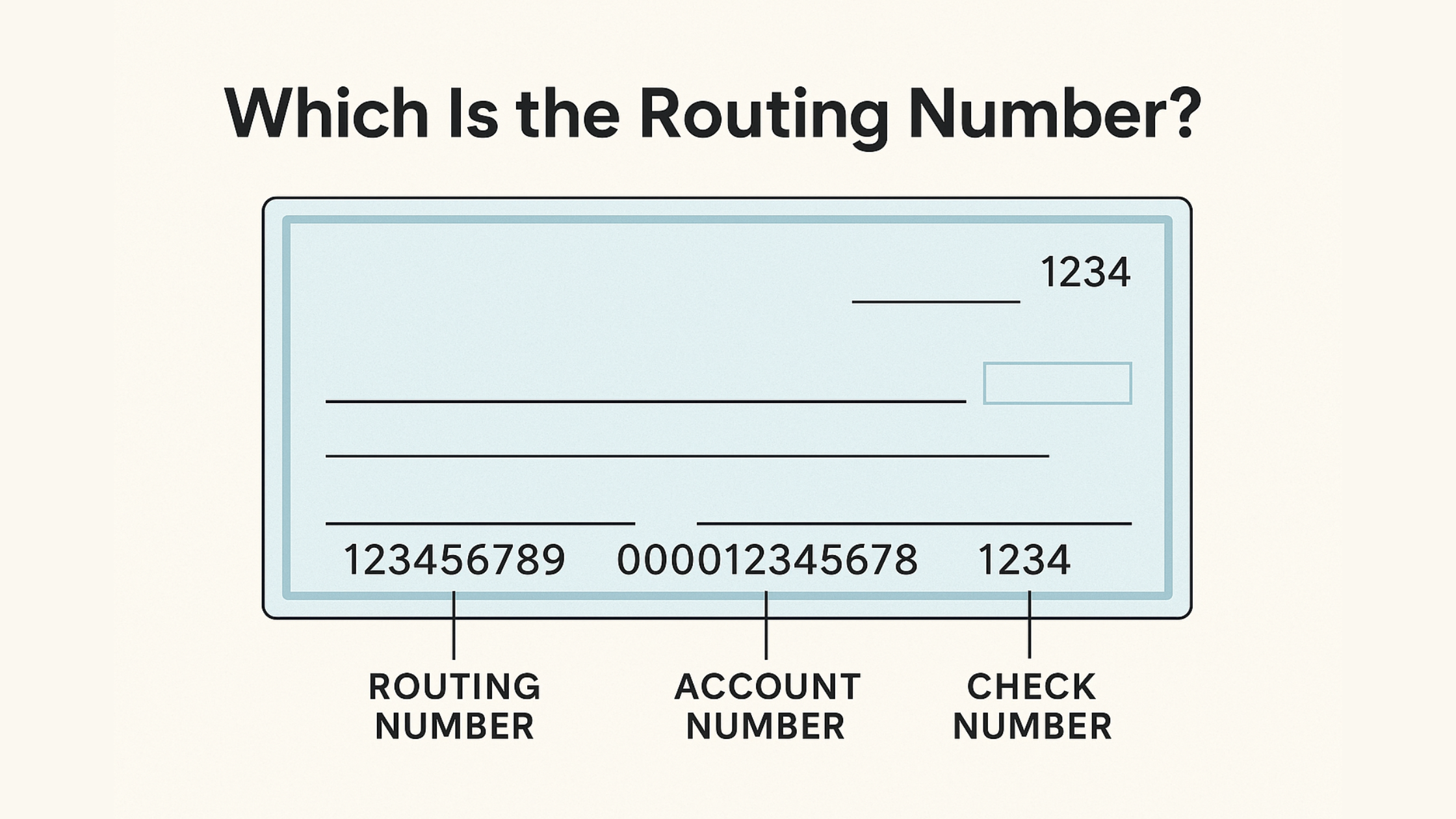
How to Find Your Bank Routing Number (ABA Number Explained)

Learn what a bank routing number is, why it’s sometimes called an ABA number, what the digits mean, ...

Safe and Secure Banking Tips for Grandparents | First Hope Bank

Celebrate National Grandparents Day by helping grandparents stay safe online. Explore scam ...

Managing Debt, Debt

A Beginner's Guide: How to Build Credit History Effectively

Learn essential strategies to build your credit history effectively and strengthen your financial ...

Financial Literacy, Blogs

The ABCs of Home Equity: HELOCs and Home Equity Loans Explained

Learn the difference between a HELOC and a Home Equity Loan. Discover how HELOC and Home Equity ...

Home Equity, HELOC

Home Equity Line of Credit: What is It?

Learn how a HELOC works, its benefits, rates, and requirements. Access flexible funding by ...

Financial Literacy, Budgeting

The Cost of College Life

Going to college incurs a lot of expenses you might not have thought about.

Managing Debt, Home Equity

Home Equity Loan vs Personal Loan: Which is Right for You?

Discover key differences between home equity loans and personal loans. Learn how First Hope Bank ...

Build Strong Credit & Lasting Financial Confidence

Unlock the secrets of building strong credit and financial freedom with insider tips and actionable ...

Blogs

Stay Safe: Spot and Stop Online Scams

Stay safe from online scams by recognizing red flags, securing your information, and reporting ...

Blogs, Mortgage

What Really Determines Mortgage Rates? (Hint: It’s Not Just the Fed)

Discover what really drives mortgage rates beyond the Federal Reserve’s moves. Learn how bond ...

Managing Debt, Debt

Using Home Equity to Consolidate Debt: A Smart Financial Move

Discover how leveraging your home equity can help you consolidate various types of debt into one ...

Managing Debt, Debt

How a Home Equity Loan Could Potentially Save You Thousands—and Simplify Your Finances

Discover how a Home Equity Loan can consolidate high-interest debts, simplify finances, and ...

Blogs, Commercial Lending

Bank Locally: 4 Reasons to Choose a Community Bank for Your Small Business

Discover why a community bank is a better choice for small businesses and how it can enhance your ...

Blogs

Tokenization: A Secure, Convenient Way to Pay

Discover how tokenization protects your First Hope Bank debit card details & simplifies ...

Blogs, Retirement

The Great Wealth Transfer: Why Early Planning Matters

Learn about the Great Wealth Transfer and why proactive trust and estate planning with First Hope ...

From First Account to Forever: Roseanne’s Journey

Discover Roseanne's 50-year journey with First Hope Bank, from her first checking account to ...