
Managing Debt
3 min read time

Handling the Top 5 2026 Resolutions (Without Giving Up by February)

Every January starts the same way.

You feel motivated. Optimistic. Ready to “finally get your finances together.” Maybe this is the year you save more, spend less, or stop wondering where your money actually went.

And then… life happens.

The good news? You’re not doing anything wrong. Financial resolutions are hard—not because people lack willpower, but because most goals don’t come with a realistic plan.

Let’s change that.

Below are the top five financial resolutions people make every year, plus simple, real-life ways to handle each one—no guilt, no spreadsheets required (unless you love spreadsheets, in which case… carry on).


1. “I’m Going to Save More Money”

This one wins every year. And for good reason.

Saving money feels responsible. It feels grown-up. It also feels frustrating when there never seems to be anything left to save.

The trick: Stop thinking “big” and start thinking “automatic.”

Instead of aiming for some impressive dollar amount, try this:

  • Start with a small, automatic transfer—even $10 or $25
  • Schedule it for the day after payday
  • Treat it like a bill you pay yourself

Here’s the secret: consistency matters more than size. Small amounts add up faster than you expect, especially when you’re not constantly deciding whether to save.

Bonus tip:
Give your savings a name. “Emergency Fund” sounds intimidating. “Future Me’s Peace of Mind” is much nicer.


2. “I Want to Pay Down Debt”

Debt has a way of quietly stressing us out—even when we don’t think about it every day.

Credit cards, personal loans, lingering balances… they all compete for attention and make progress feel slow.

The trick: Focus on one thing at a time.

Trying to tackle everything at once usually leads to burnout. Instead:

  • List your debts (no judgment—just facts)
  • Pick one balance to focus on first
  • Pay at least the minimum on the rest

Some people like knocking out the smallest balance first for a quick win. Others focus on the highest interest rate to save money over time. Either approach is valid—the best method is the one you’ll stick with.

Most importantly: progress counts, even if it’s not fast.


3. “I Need to Stick to a Budget”

Ah yes. The budget. The word alone can feel… restrictive.

If you’ve tried budgeting before and hated it, you’re not alone. Many budgets fail because they’re too strict, too complicated, or totally disconnected from real life.

The trick: Track first. Change later.

Before you try to “fix” your spending, just observe it:

  • Look at where your money actually goes for a month
  • Notice patterns (subscriptions, eating out, impulse buys)
  • Don’t judge—just notice

Once you understand your habits, budgeting becomes less about cutting everything and more about making intentional choices.

Think of a budget as a spending plan, not a punishment. You’re allowed to enjoy your money—you just want to do it on purpose.


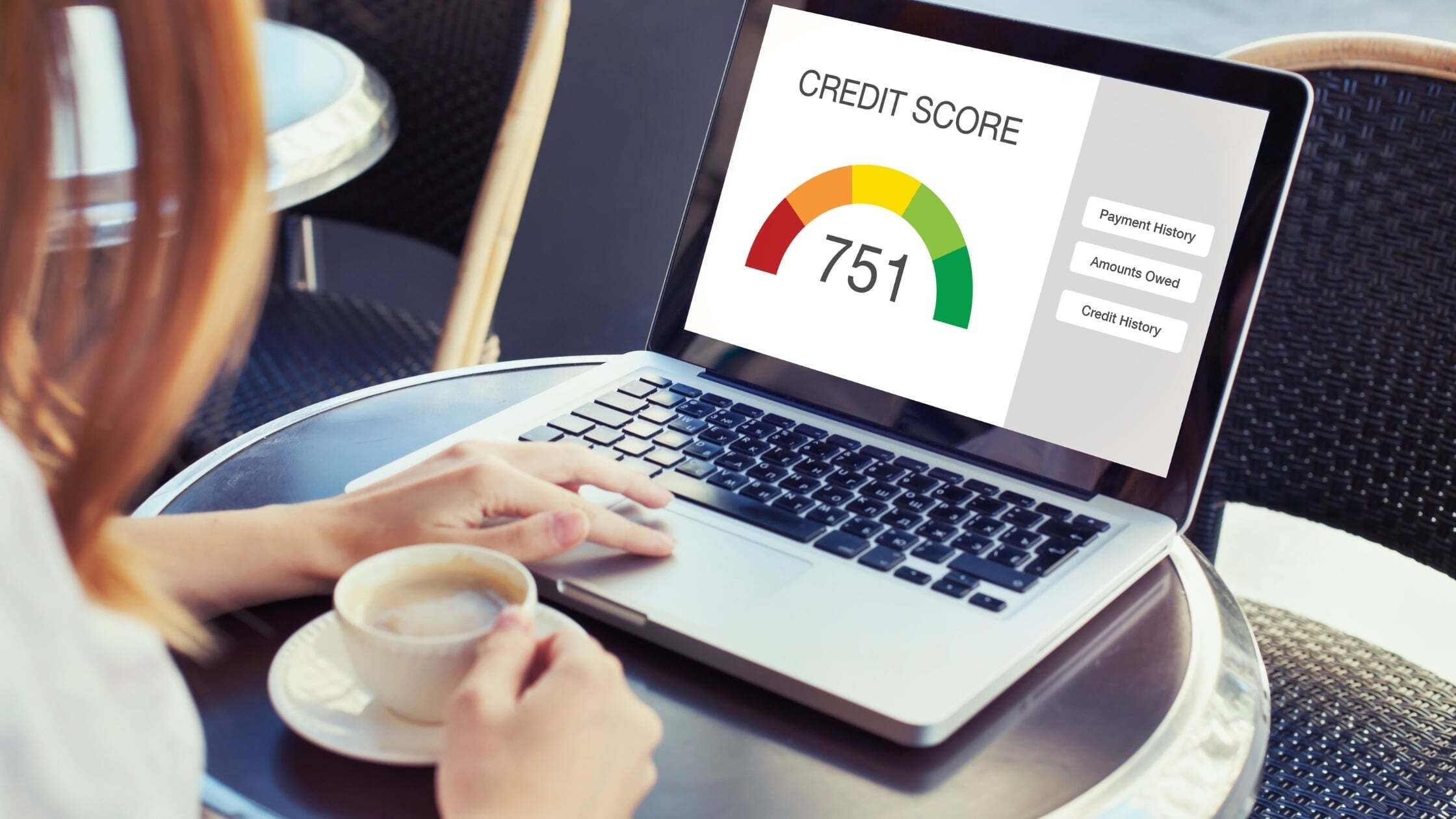
4. “I Want to Improve My Credit Score”

Credit scores feel mysterious for a reason. They’re talked about constantly, but rarely explained clearly.

The good news? Improving your credit usually comes down to a few consistent habits—not complicated tricks.

The trick: Master the basics and give it time.

Some simple credit-friendly habits:

  • Pay bills on time (this matters a lot)
  • Keep balances manageable when possible
  • Avoid opening too many new accounts at once
  • Check your credit occasionally so nothing surprises you

Credit scores don’t jump overnight, but steady habits can make a meaningful difference over time—especially when you’re planning something big like a car or home purchase.

Future-you will appreciate it.


5. “I Should Probably Plan for the Future”

This is the resolution people mean to get to… eventually.

Planning for the future can feel overwhelming because it sounds like it requires big decisions, perfect timing, or knowing exactly what you want. It doesn’t.

The trick: Start with a conversation, not a commitment.

Planning ahead can be as simple as:

  • Reviewing beneficiaries
  • Setting one long-term goal
  • Asking questions instead of making decisions

You don’t need to map out the next 30 years. You just need a starting point—and permission to take it one step at a time.


A Quick Reality Check (and Some Encouragement)

You don’t need to tackle all five resolutions.
You don’t need a perfect plan.
You don’t need to transform your finances by the end of January.

If you:

  • Set up one automatic savings transfer
  • Track your spending for a month
  • Pay a little extra toward one balance
  • Learn one new thing about credit
  • Or simply think more intentionally about your future…

You’re already ahead of where you were last year.

Financial progress isn’t about dramatic changes. It’s about small, repeatable decisions that fit your life.

And remember—every good financial habit started with someone saying, “I guess I’ll just try this.”

Here’s to a new year, a fresh start, and money goals that actually feel achievable.

H6 Eyebrow Headline

H2 Related News Articles Lorem Ipsum
Dolor Sit Amet

Financial Literacy, Blogs

Transitioning to Retirement

Plan your retirement income with confidence. Explore tips to navigate every fork in the road and ...


Online Banking, Mobile Banking

Top 13 Must-Have Features for Online and Mobile Banking

Discover thirteen essential online and mobile banking features like secure logins, budgeting tools, ...

5 Ways to De-Stress During the Homebuying Process

Discover five effective ways to manage stress during the homebuying process and make your journey ...

Budgeting, College

Securing Your Child’s Future: How to Prepare Financially for College with a Home Equity Loan or Line of Credit

Learn how to plan for your child’s college expenses and explore whether a home equity loan or line ...

Savings

Kids' Savings Account: Teaching Smart Money Habits Early

Teach kids the value of saving! Open a kids' savings account to build financial skills, encourage ...

Managing Debt, Financial Literacy

What is a Secured Personal Loan vs Unsecured?

Learn the key differences between secured and unsecured personal loans, including pros and cons, to ...

Blogs, Commercial Lending

Top Issues Medical Practices Face When Securing Financing

Learn top hurdles in securing lending for medical practices, from acquisitions to real estate, and ...

Financial Literacy, Budgeting

Top 5 Home Modifications to Help You Age in Place Safely

Discover the top home modifications to ensure safety and comfort as you age in place. Transform ...

fraud prevention, Financial Literacy

Strengthen Your Financial Future: “my Social Security” Accounts

Discover how a "my Social Security" account can enhance your financial wellness by providing secure ...

Financial Literacy, Blogs

Six Reasons to Choose a Local Bank for Business Accounts

Discover the personalized advantages of opening a business account with a local community bank, ...

Financial Literacy, Budgeting

A Milestone That Matters: Your Child’s First Savings Account

Teach your kids the value of money with First Hope Bank’s KIDS Account Savings and Student Checking ...

Financial Literacy, Blogs

HELOC vs. Personal Loan: Which Is Right for You?

Wondering whether a HELOC or personal loan fits your needs? Learn the differences between a home ...

Financial Literacy

Take Control of Your Finances: A Guide to Building Financial Confidence

Empower your financial future with practical tips on budgeting, saving, and managing debt. Learn ...

fraud, fraud prevention

Black Friday Savings, Without the Scams

Protect your finances this holiday season by shopping smart and knowing the warning signs. First ...

Commercial Lending, Budgeting

Why Your Business Needs a Local Bank Account

Explore the benefits of opening a business banking account with a local bank and how First Hope ...

Financial Literacy, Blogs

Remote Deposit Explained: Mobile Check Deposit & Remote Deposit Capture

Learn what remote deposit is, how to deposit checks with your smartphone, and how remote deposit ...

Financial Literacy, Budgeting

Your Home Equity: The Key to Aging Comfortably and Financially Secure

Explore how tapping into your home equity can enhance your comfort, financial security, & ...

cybersecurity, Financial Literacy

Cybersecurity: How to Recover from Identity Theft and Protect Your Accounts

Identity theft can wreak havoc on your finances. Learn proactive cybersecurity steps to recover ...

Financial Literacy, Blogs

Student Checking Account: 5 Key Tips for Proper Management

Learn key tips for managing a checking account in college, including budgeting, avoiding fees, and ...

Financial Literacy, Blogs

Do You Really Need a “Bank Near Me”?

Stop searching for a “bank near me.” With mobile first banking, First Hope Bank lets you deposit ...

Managing Debt, Debt

Handling the Top 5 2026 Resolutions (Without Giving Up by February)

Saving more, paying down debt, budgeting—sound familiar? Learn how to handle the top 5 financial ...

Financial Literacy, Blogs

Back to Campus: A Smart Money Game Plan for College Students

Get ready for college with smart financial tips. Learn to manage your money, build credit, and ...

The Crucial Role of Emergency Savings in Financial Security

Discover how establishing an emergency savings account can safeguard your financial future and ...

5 Simple Steps to Getting a Business Credit Card

Learn how to get a business credit card in five simple steps. Explore options with First Hope Bank ...

Commercial Lending

How to Get a Commercial Loan for a Rental Property: 6 Key Steps

Learn how to get a commercial loan for rental properties and explore the best loan options to grow ...

Mortgage, Homebuying

Why Now is a Great Time to Consider Buying Your First Home

Explore the current housing market and discover why first-time homebuyers can still find great ...

Business, Savings

Choosing the Best Business Savings Account: 6 Pro Tips

Discover six tips for choosing the best business savings account and explore First Hope Bank’s ...

Home Equity, HELOC

HELOC vs Home Equity Loan: Key Differences Explained

Learn the differences between HELOCs and home equity loans to choose the best option. Explore ...

Financial Literacy, Blogs

How to Find Your Bank Routing Number (ABA Number Explained)

Learn what a bank routing number is, why it’s sometimes called an ABA number, what the digits mean, ...

Safe and Secure Banking Tips for Grandparents | First Hope Bank

Celebrate National Grandparents Day by helping grandparents stay safe online. Explore scam ...

Managing Debt, Debt

A Beginner's Guide: How to Build Credit History Effectively

Learn essential strategies to build your credit history effectively and strengthen your financial ...

Financial Literacy, Blogs

The ABCs of Home Equity: HELOCs and Home Equity Loans Explained

Learn the difference between a HELOC and a Home Equity Loan. Discover how HELOC and Home Equity ...

Home Equity, HELOC

Home Equity Line of Credit: What is It?

Learn how a HELOC works, its benefits, rates, and requirements. Access flexible funding by ...

Financial Literacy, Budgeting

The Cost of College Life

Going to college incurs a lot of expenses you might not have thought about.

Managing Debt, Home Equity

Home Equity Loan vs Personal Loan: Which is Right for You?

Discover key differences between home equity loans and personal loans. Learn how First Hope Bank ...

Build Strong Credit & Lasting Financial Confidence

Unlock the secrets of building strong credit and financial freedom with insider tips and actionable ...

Blogs

Stay Safe: Spot and Stop Online Scams

Stay safe from online scams by recognizing red flags, securing your information, and reporting ...

Blogs, Mortgage

What Really Determines Mortgage Rates? (Hint: It’s Not Just the Fed)

Discover what really drives mortgage rates beyond the Federal Reserve’s moves. Learn how bond ...

Managing Debt, Debt

Using Home Equity to Consolidate Debt: A Smart Financial Move

Discover how leveraging your home equity can help you consolidate various types of debt into one ...

Managing Debt, Debt

How a Home Equity Loan Could Potentially Save You Thousands—and Simplify Your Finances

Discover how a Home Equity Loan can consolidate high-interest debts, simplify finances, and ...

Blogs, Commercial Lending

Bank Locally: 4 Reasons to Choose a Community Bank for Your Small Business

Discover why a community bank is a better choice for small businesses and how it can enhance your ...

Blogs

Tokenization: A Secure, Convenient Way to Pay

Discover how tokenization protects your First Hope Bank debit card details & simplifies ...

Blogs, Retirement

The Great Wealth Transfer: Why Early Planning Matters

Learn about the Great Wealth Transfer and why proactive trust and estate planning with First Hope ...

From First Account to Forever: Roseanne’s Journey

Discover Roseanne's 50-year journey with First Hope Bank, from her first checking account to ...