
Financial Literacy
3 min read time

Take Control of Your Finances: A Guide to Building Financial Confidence

Managing your finances doesn’t have to be overwhelming, complicated, or something you put off for “later.” Whether you’re just starting out, rebuilding your financial foundation, or looking to sharpen your money management skills, building financial literacy is one of the most empowering things you can do for yourself and your future.

This guide offers practical, easy-to-follow tools and strategies to help you understand your money better, reduce stress, and make confident, informed financial decisions.

1. Start with a Budget: Know Where Your Money Goes

A budget is the single most important financial tool — and it’s simpler than it sounds. At its core, a budget helps you compare your income with your expenses, so you can make informed choices and avoid surprises.

Budgeting Tips:

  • Track your income and spending for at least one full month.
  • Categorize expenses into fixed (rent, loan payments) and variable (groceries, entertainment).
  • Prioritize savings by treating it like a bill — something that gets paid no matter what.
  • Review weekly and adjust as needed.

The goal isn’t perfection. It’s clarity and consistency. With a clear budget, you’re in control — not your bills.

2. Build an Emergency Fund: Your First Layer of Protection

An emergency fund acts as a cushion when life doesn’t go as planned — and that peace of mind is priceless.

Emergency Fund Basics:

  • Start small: A target of $500 to $1,000 is a great beginning.
  • Build up: Aim for 3–6 months of basic living expenses.
  • Keep it separate: Use a dedicated savings account to reduce the temptation to dip into it for non-emergencies.

Automated transfers — even $10 or $25 per week — make it easier to build your fund over time without thinking about it.

3. Understand and Build Your Credit Score

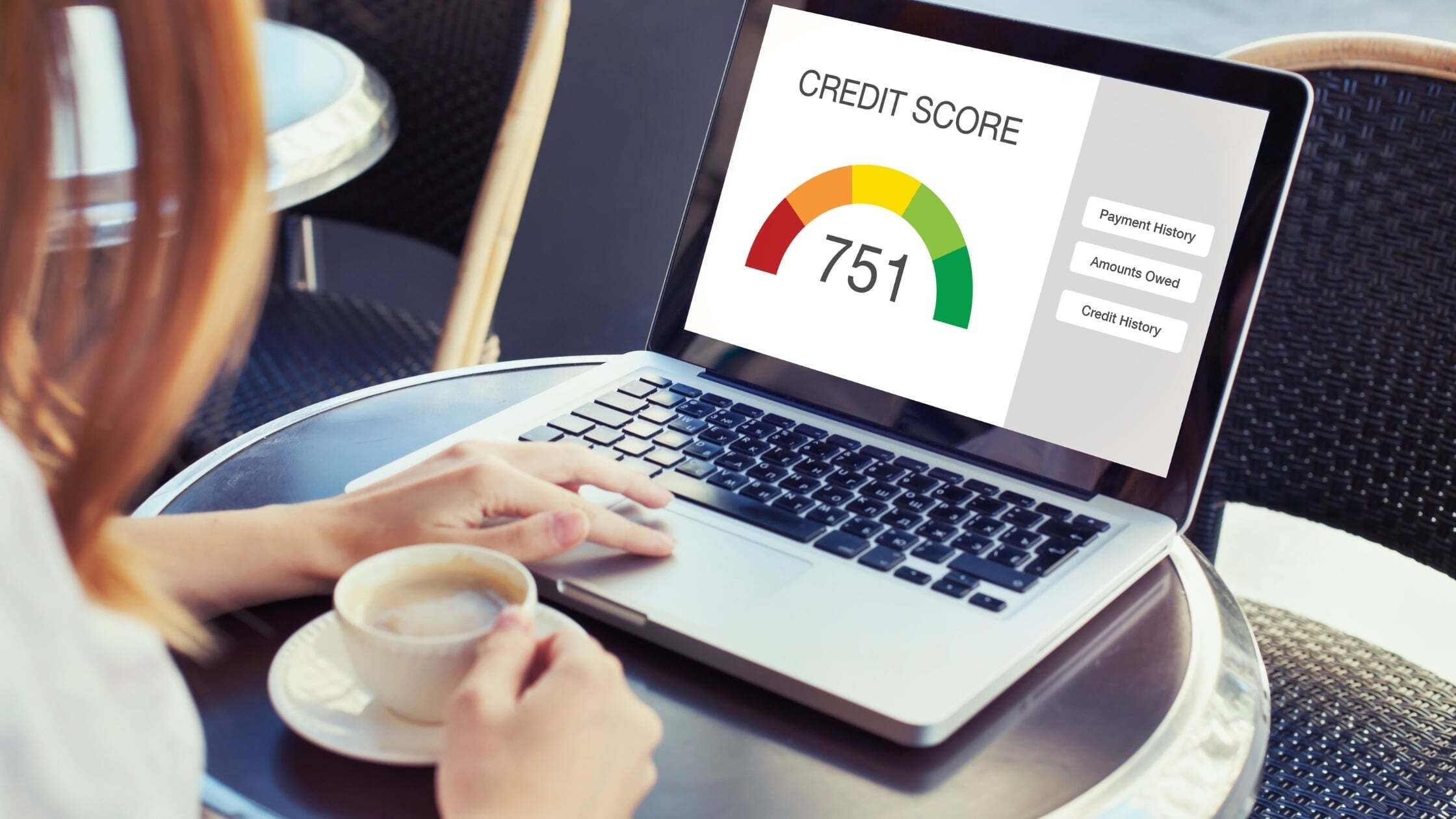
Your credit score is more than just a number — it’s a reflection of how reliably you manage debt. It can influence your ability to borrow, secure housing, or even get certain jobs.

Key Credit Factors:

  • Payment History (on-time payments)
  • Amounts Owed (credit utilization)
  • Length of Credit History
  • Types of Credit (credit mix)
  • New Credit Inquiries

Check your credit report regularly, pay bills on time, and avoid maxing out credit cards. A healthy credit score opens doors and reduces the cost of borrowing.

4. Create a Plan to Manage Debt

Debt is a tool — not a trap — when used strategically. The key is to stay organized and proactive.

Common Debt Repayment Strategies:

  • Snowball Method: Pay off the smallest debts first to gain momentum.
  • Avalanche Method: Focus on the highest-interest debts first to save more money.
  • Debt Consolidation: Combine multiple debts into one with a lower interest rate for simpler management.

Avoid skipping payments and, if needed, reach out to lenders early to discuss options before falling behind.

5. Save with Purpose: Short-, Medium-, and Long-Term Goals

Saving money is more effective when it’s tied to goals. Defining what you’re saving for makes it easier to stay motivated and measure progress.

Goal Examples:

  • Short-Term (0–12 months): Emergency fund, vacations, holiday gifts
  • Medium-Term (1–5 years): New car, moving costs, wedding
  • Long-Term (5+ years): Home down payment, retirement, college savings

Assign separate accounts or sub-savings goals so you can track each purpose individually. Celebrate milestones along the way.

6. Plan for Retirement — No Matter Your Age

Even if retirement seems far away, starting early makes a huge difference. The power of compound interest means even small contributions grow significantly over time.

Retirement Tips:

  • Start now — even if it’s just a few dollars per paycheck.
  • Increase contributions gradually over time.
  • Diversify your investments to balance risk and reward.
  • Review your plan annually to stay on track with your goals.

Remember: the earlier you start, the more time your money has to grow. But it’s never too late to begin.

7. Boost Your Financial Knowledge with Trusted Learning

Financial literacy is a lifelong skill, and learning just a little at a time can have a big impact. You don’t need to master everything at once — just build gradually.

8. Use Tools That Make Managing Money Easier

Technology has made it easier than ever to take control of your finances. Many people find success using tools that make budgeting, tracking, and saving automatic and visual.

Helpful Tools:

  • Spending Trackers: Automatically categorize purchases so you know where your money is going.
  • Savings Goal Apps: Set and monitor specific goals like a vacation or home renovation.
  • Calendar Alerts: Remind yourself of bill due dates and financial check-ins.

Find tools that match your style. Some prefer detailed spreadsheets, while others prefer visual dashboards. The best tool is the one you’ll actually use.

9. Protect Your Financial Identity and Accounts

Financial wellness also means financial safety. Keep your information and money secure by practicing good digital hygiene and fraud awareness.

Security Best Practices:

  • Use strong, unique passwords for each account.
  • Enable multi-factor authentication when available.
  • Monitor accounts regularly for suspicious activity.
  • Be cautious with phone calls, texts, or emails requesting personal info.

If something seems off, don’t ignore it — take action quickly to protect your accounts and identity.

10. Check In Often: Make Financial Wellness a Habit

Money isn’t something you set and forget. Like health or fitness, financial wellness is ongoing. Set regular check-ins to reflect, plan, and adjust.

Monthly Check-In Ideas:

  • Review spending and compare it to your budget.
  • Adjust savings goals based on upcoming plans.
  • Revisit any big financial decisions (like insurance or loans).
  • Track progress toward debt reduction or savings targets.

Even 15–30 minutes a month can lead to better decisions and long-term peace of mind.

Final Thoughts: You’re More Capable Than You Think

Financial literacy isn’t about perfection or having all the answers. It’s about having the tools, awareness, and habits that help you navigate life with confidence.

Start where you are. Use what you have. Learn as you go.

The more you engage with your finances — even in small ways — the more empowered you’ll feel to make decisions that support your goals, your family, and your future.


H6 Eyebrow Headline

H2 Related News Articles Lorem Ipsum
Dolor Sit Amet

Financial Literacy, Blogs

Transitioning to Retirement

Plan your retirement income with confidence. Explore tips to navigate every fork in the road and ...


Online Banking, Mobile Banking

Top 13 Must-Have Features for Online and Mobile Banking

Discover thirteen essential online and mobile banking features like secure logins, budgeting tools, ...

5 Ways to De-Stress During the Homebuying Process

Discover five effective ways to manage stress during the homebuying process and make your journey ...

Budgeting, College

Securing Your Child’s Future: How to Prepare Financially for College with a Home Equity Loan or Line of Credit

Learn how to plan for your child’s college expenses and explore whether a home equity loan or line ...

Savings

Kids' Savings Account: Teaching Smart Money Habits Early

Teach kids the value of saving! Open a kids' savings account to build financial skills, encourage ...

Managing Debt, Financial Literacy

What is a Secured Personal Loan vs Unsecured?

Learn the key differences between secured and unsecured personal loans, including pros and cons, to ...

Blogs, Commercial Lending

Top Issues Medical Practices Face When Securing Financing

Learn top hurdles in securing lending for medical practices, from acquisitions to real estate, and ...

Financial Literacy, Budgeting

Top 5 Home Modifications to Help You Age in Place Safely

Discover the top home modifications to ensure safety and comfort as you age in place. Transform ...

fraud prevention, Financial Literacy

Strengthen Your Financial Future: “my Social Security” Accounts

Discover how a "my Social Security" account can enhance your financial wellness by providing secure ...

Financial Literacy, Blogs

Six Reasons to Choose a Local Bank for Business Accounts

Discover the personalized advantages of opening a business account with a local community bank, ...

Financial Literacy, Budgeting

A Milestone That Matters: Your Child’s First Savings Account

Teach your kids the value of money with First Hope Bank’s KIDS Account Savings and Student Checking ...

Financial Literacy, Blogs

HELOC vs. Personal Loan: Which Is Right for You?

Wondering whether a HELOC or personal loan fits your needs? Learn the differences between a home ...

Financial Literacy

Take Control of Your Finances: A Guide to Building Financial Confidence

Empower your financial future with practical tips on budgeting, saving, and managing debt. Learn ...

fraud, fraud prevention

Black Friday Savings, Without the Scams

Protect your finances this holiday season by shopping smart and knowing the warning signs. First ...

Commercial Lending, Budgeting

Why Your Business Needs a Local Bank Account

Explore the benefits of opening a business banking account with a local bank and how First Hope ...

Financial Literacy, Blogs

Remote Deposit Explained: Mobile Check Deposit & Remote Deposit Capture

Learn what remote deposit is, how to deposit checks with your smartphone, and how remote deposit ...

Financial Literacy, Budgeting

Your Home Equity: The Key to Aging Comfortably and Financially Secure

Explore how tapping into your home equity can enhance your comfort, financial security, & ...

cybersecurity, Financial Literacy

Cybersecurity: How to Recover from Identity Theft and Protect Your Accounts

Identity theft can wreak havoc on your finances. Learn proactive cybersecurity steps to recover ...

Financial Literacy, Blogs

Student Checking Account: 5 Key Tips for Proper Management

Learn key tips for managing a checking account in college, including budgeting, avoiding fees, and ...

Financial Literacy, Blogs

Do You Really Need a “Bank Near Me”?

Stop searching for a “bank near me.” With mobile first banking, First Hope Bank lets you deposit ...

Managing Debt, Debt

Handling the Top 5 2026 Resolutions (Without Giving Up by February)

Saving more, paying down debt, budgeting—sound familiar? Learn how to handle the top 5 financial ...

Financial Literacy, Blogs

Back to Campus: A Smart Money Game Plan for College Students

Get ready for college with smart financial tips. Learn to manage your money, build credit, and ...

The Crucial Role of Emergency Savings in Financial Security

Discover how establishing an emergency savings account can safeguard your financial future and ...

5 Simple Steps to Getting a Business Credit Card

Learn how to get a business credit card in five simple steps. Explore options with First Hope Bank ...

Commercial Lending

How to Get a Commercial Loan for a Rental Property: 6 Key Steps

Learn how to get a commercial loan for rental properties and explore the best loan options to grow ...

Mortgage, Homebuying

Why Now is a Great Time to Consider Buying Your First Home

Explore the current housing market and discover why first-time homebuyers can still find great ...

Business, Savings

Choosing the Best Business Savings Account: 6 Pro Tips

Discover six tips for choosing the best business savings account and explore First Hope Bank’s ...

Home Equity, HELOC

HELOC vs Home Equity Loan: Key Differences Explained

Learn the differences between HELOCs and home equity loans to choose the best option. Explore ...

Financial Literacy, Blogs

How to Find Your Bank Routing Number (ABA Number Explained)

Learn what a bank routing number is, why it’s sometimes called an ABA number, what the digits mean, ...

Safe and Secure Banking Tips for Grandparents | First Hope Bank

Celebrate National Grandparents Day by helping grandparents stay safe online. Explore scam ...

Managing Debt, Debt

A Beginner's Guide: How to Build Credit History Effectively

Learn essential strategies to build your credit history effectively and strengthen your financial ...

Financial Literacy, Blogs

The ABCs of Home Equity: HELOCs and Home Equity Loans Explained

Learn the difference between a HELOC and a Home Equity Loan. Discover how HELOC and Home Equity ...

Home Equity, HELOC

Home Equity Line of Credit: What is It?

Learn how a HELOC works, its benefits, rates, and requirements. Access flexible funding by ...

Financial Literacy, Budgeting

The Cost of College Life

Going to college incurs a lot of expenses you might not have thought about.

Managing Debt, Home Equity

Home Equity Loan vs Personal Loan: Which is Right for You?

Discover key differences between home equity loans and personal loans. Learn how First Hope Bank ...

Build Strong Credit & Lasting Financial Confidence

Unlock the secrets of building strong credit and financial freedom with insider tips and actionable ...

Blogs

Stay Safe: Spot and Stop Online Scams

Stay safe from online scams by recognizing red flags, securing your information, and reporting ...

Blogs, Mortgage

What Really Determines Mortgage Rates? (Hint: It’s Not Just the Fed)

Discover what really drives mortgage rates beyond the Federal Reserve’s moves. Learn how bond ...

Managing Debt, Debt

Using Home Equity to Consolidate Debt: A Smart Financial Move

Discover how leveraging your home equity can help you consolidate various types of debt into one ...

Managing Debt, Debt

How a Home Equity Loan Could Potentially Save You Thousands—and Simplify Your Finances

Discover how a Home Equity Loan can consolidate high-interest debts, simplify finances, and ...

Blogs, Commercial Lending

Bank Locally: 4 Reasons to Choose a Community Bank for Your Small Business

Discover why a community bank is a better choice for small businesses and how it can enhance your ...

Blogs

Tokenization: A Secure, Convenient Way to Pay

Discover how tokenization protects your First Hope Bank debit card details & simplifies ...

Blogs, Retirement

The Great Wealth Transfer: Why Early Planning Matters

Learn about the Great Wealth Transfer and why proactive trust and estate planning with First Hope ...

From First Account to Forever: Roseanne’s Journey

Discover Roseanne's 50-year journey with First Hope Bank, from her first checking account to ...